Humanoid robotics is becoming an important area of technological development as researchers and engineers explore machines that can operate in environments designed for people. Instead of focusing only on repetitive automation, modern robotics increasingly combines mobility, artificial intelligence, sensing, and human interaction. This evolution is creating new opportunities across industry, research, healthcare, logistics, and other fields.
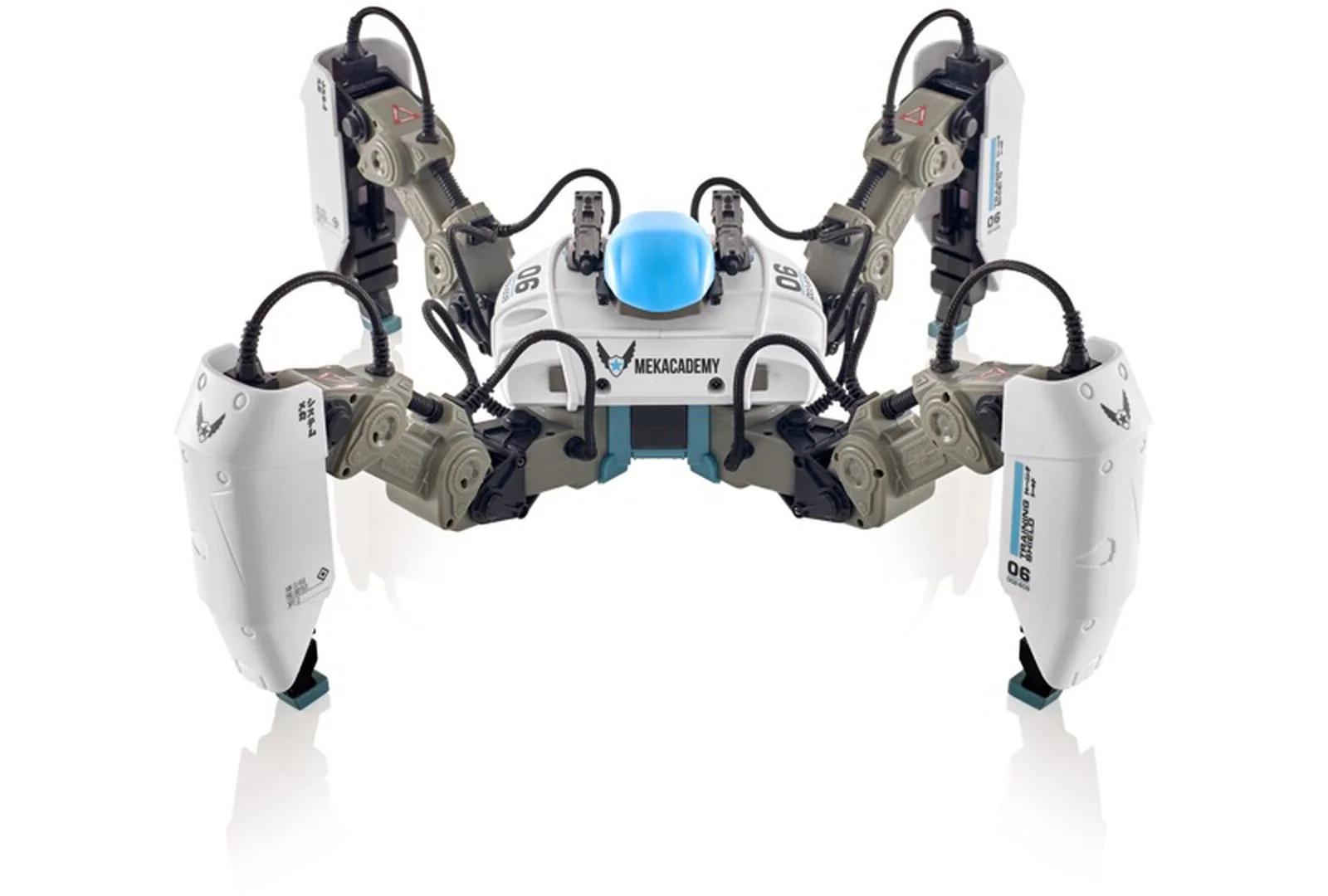
Understanding the Modern Humanoid Ecosystem
A humanoid robot is generally designed with a body structure that resembles certain aspects of the human form. This approach can be useful because many workplaces, tools, stairways, and equipment are already designed around human movement.
Important capabilities may include:
Human-like movement and balance
Environmental sensing and perception
Object recognition and manipulation
Autonomous or assisted navigation
Interaction with people and digital systems
These capabilities depend on the integration of mechanical components, software, sensors, artificial intelligence, and advanced control systems.
Wearable Technology Adds Another Dimension
Robotics does not exist separately from wearable technology. Body-worn devices can provide valuable information about movement, posture, physical activity, and interaction with surrounding systems.
Wearable robotics can be particularly useful where technology needs to work closely with the human body. Depending on the design, such systems may support physical assistance, movement analysis, industrial activities, or specialized research.
Key Benefits of Connected Wearables
Movement monitoring
Sensors can capture information about body movement and physical activity.Physical assistance
Certain systems can provide mechanical support during demanding tasks.Real-time feedback
Connected devices can communicate useful information while an activity is taking place.Data-driven analysis
Collected data can help researchers and organizations understand movement patterns and improve system design.
Robotics Applications Continue to Expand
The practical uses of humanoid and wearable robotics are developing alongside improvements in artificial intelligence and machine perception. Industrial environments may use robotic technologies for handling, inspection, logistics, or repetitive physical activities.
Research environments can also use humanoid platforms to study balance, locomotion, manipulation, and human-machine interaction. In the longer term, these developments may influence how robots are integrated into spaces where people already work and live.
Building Better Human Machine Interaction
Successful robotics is not simply about creating machines with greater physical capability. Effective interaction also requires safety, predictable behavior, ergonomic design, and intuitive communication.
This is where organizations working across humanoid robotics and wearable technology contribute to a broader technological conversation. The Humanoid Group reflects the growing interest in connecting humanoid systems, wearable technologies, and related components within a wider ecosystem.
Looking Ahead at Robotic Innovation
Future progress will likely depend on combining several disciplines rather than advancing robotics in isolation. Artificial intelligence, materials science, sensor technology, biomechanics, software engineering, and mechanical design all have important roles to play.
For those seeking learn more about developments in humanoid and wearable technology, exploring the wider robotics ecosystem can help provide useful context.
The continued development of The Humanoid Group and similar technology ecosystems highlights how humanoids and wearable systems are increasingly being considered as interconnected technologies. As these fields mature, their value will depend on practical applications, responsible design, safety, and their ability to work effectively alongside people.