The Future of Mechanical Engineering: Bridging the Gap with AI and Automation
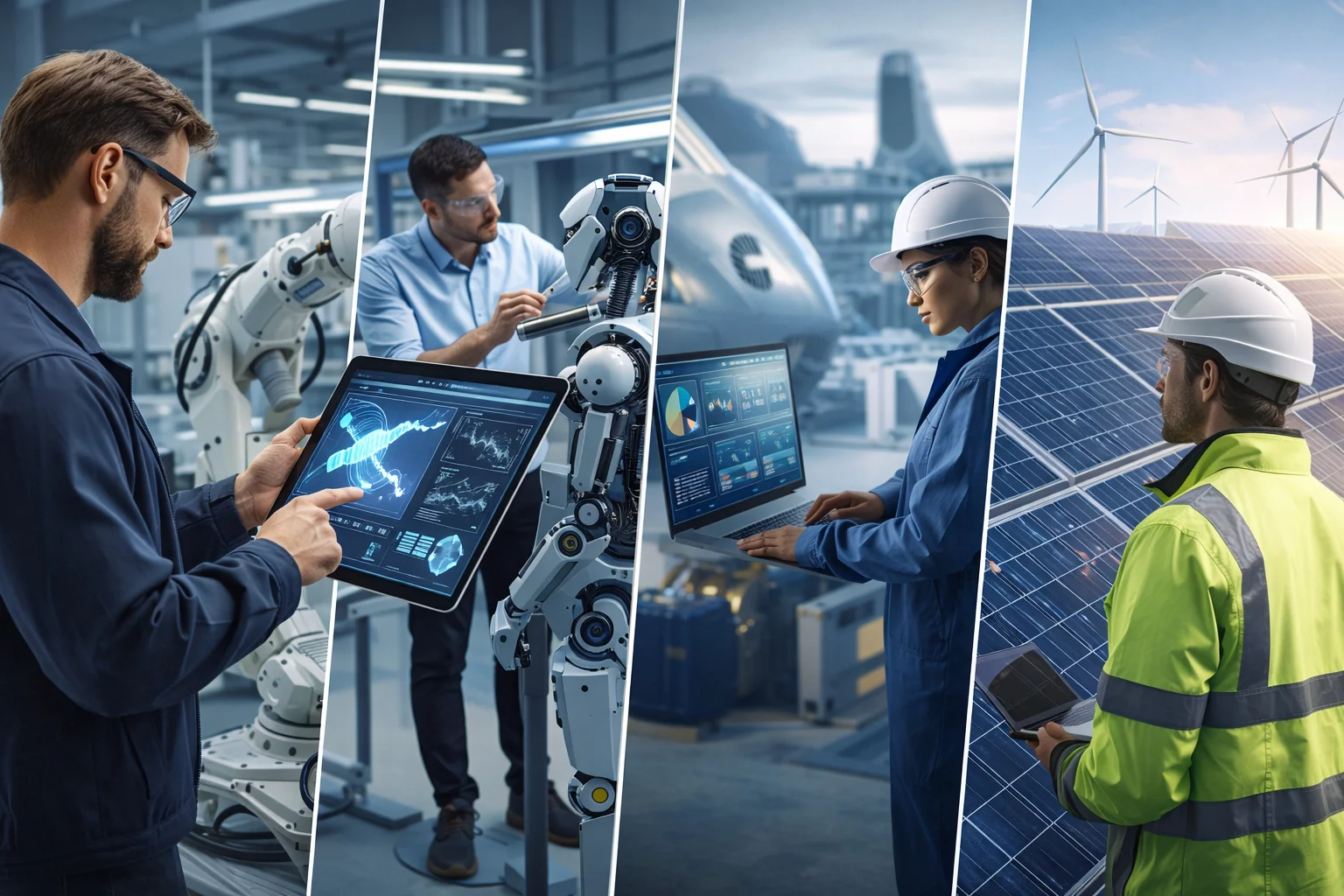
The landscape of mechanical engineering is undergoing a radical transformation. Traditional design and manufacturing are being superseded by the era of Smart Manufacturing, where the integration of AI, robotics, and automation is no longer optional—it is the standard. From the precision required in the Aerospace sector to the scalability of Renewable Energy, engineers are now expected to be as proficient with algorithms and digital twins as they are with thermodynamics and material science.
The Evolution of Engineering Roles
Modern mechanical engineers are moving beyond static blueprints into dynamic, data-driven environments. In the Robotics industry, for instance, the focus has shifted toward creating autonomous systems that can learn and adapt. This shift has created an urgent need for a skilled student workforce that understands how to apply knowledge practically in high-tech environments.
For those looking to start career while studying, the challenge lies in moving beyond theoretical textbooks to real world problem solving. Leading organizations are now looking to recruit job ready graduates who possess a mix of core engineering principles and certified skill development in automation technologies.
Navigating the Campus to Job Transition
Transitioning from an academic setting to a fast-paced industrial role can be daunting. To bridge this gap, a career launch platform serves as a vital link, offering professional exposure for students before they even graduate. Through online career training, aspiring engineers can learn practical skills faster, ensuring they are prepared for the technical demands of 21st-century infrastructure.
By participating in a virtual work experience program, students can gain remote work experience on real projects for resume building. This type of industry experience during college provides the proof of work for freshers that traditional degrees often lack.
Building a Professional Edge
To stand out in competitive fields like aerospace or smart manufacturing, a job focused curriculum is essential. Students should focus on:
Resume building opportunities: Developing a build professional portfolio that highlights specific technical achievements.
Industry recognized training: Completing employment oriented training to validate expertise.
Mentorship: Using a digital internship platform to learn from industry mentors online and gain early career experience.
Accelerating Career Growth
The ultimate goal of any workplace readiness program is to help students move from learning to earning. By securing a practical experience certificate, students build confidence for jobs and achieve significant professional skill growth.
For companies, the benefit is clear: access to ready to hire talent through industry internship partners. These platforms allow firms to connect with trained students who are already become industry ready, facilitating a seamless career acceleration for students and a more efficient prepare for first job phase.