Construction sites are busy environments where workers often deal with heights, heavy materials, changing weather conditions, and constantly moving equipment. Among the many safety measures required on a construction project, scaffold safety deserves particular attention. Scaffolds provide workers with temporary platforms for working at height, but they must remain stable and properly maintained throughout their use.
What Is a Scaffold Safety Inspection?
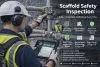
A scaffold safety inspection is a systematic examination of a scaffold to determine whether it is safe for workers to use. The inspection generally involves checking the scaffold's structural components, access points, working platforms, guardrails, braces, connections, and surrounding conditions.
The inspection should be performed by a person with the appropriate knowledge, training, and authority for the task. The exact inspection requirements can vary depending on local regulations, scaffold type, site conditions, and the nature of the construction project.
An inspection is not simply a quick visual check. It should involve careful attention to components that could affect the stability and safe use of the scaffold.
Why Regular Scaffold Safety Inspection Matters
1. It Helps Identify Hazards Early
One of the main reasons for conducting regular inspections is to identify potential hazards before workers are exposed to them.
A scaffold can appear stable from a distance while having problems that are not immediately obvious. For example, a connection may have become loose, a platform component may have been damaged, or a support may have shifted because of ground conditions.
Finding these issues early allows the responsible team to address them before they contribute to an accident.
2. It Helps Protect Workers at Height
Working at height presents significant risks on construction sites. A fall from an elevated scaffold platform can result in serious injuries.
Guardrails, toe boards, working platforms, access systems, and other protective features need to remain in suitable condition. Regular inspections help ensure that these features have not been removed, damaged, or compromised during construction activities.
Workers should also understand that personal protective equipment and safe working practices remain important even when a scaffold has been inspected.
3. It Supports Scaffold Stability
Scaffold stability depends on several components working together correctly. The supporting surface, standards, braces, ties, connections, platforms, and other structural elements all have a role to play.
Construction activities can change the environment around a scaffold. Materials may be moved nearby, equipment can come into contact with components, and the ground may become uneven or damaged.
A regular inspection provides an opportunity to check whether the scaffold remains suitable for the conditions in which it is being used.
Common Problems Found During Scaffold Inspections
A thorough inspection can reveal a variety of issues. Some common examples include damaged or missing components, loose connections, inadequate access, unstable footing, and obstructions around the scaffold.
Final Thoughts
Regular scaffold safety inspection is an essential part of managing risks associated with temporary working platforms on construction sites. A scaffold can change over time because of weather, construction activities, impacts, modifications, or normal wear and tear. Regular inspections help identify conditions that may affect safe use.
For construction companies, the goal should not simply be to complete an inspection because it is required. The real objective is to identify hazards, correct problems, communicate effectively with workers, and maintain a safer working environment.
When inspections are performed properly and supported by good training, communication, documentation, and site management, they become an important part of preventing avoidable scaffold-related incidents and protecting the people who work at height every day.
Conclusion
Regular scaffold safety inspection is an important part of maintaining a safe construction site. Scaffolds can be affected by daily use, weather, site activities, damaged components, or unauthorized changes, so checking their condition regularly helps identify potential hazards before they lead to accidents. A proper inspection also ensures that workers have safe access, stable platforms, and suitable protective measures while working at height.
Construction companies should treat scaffold inspections as an ongoing safety responsibility rather than a routine formality. By combining regular inspections with proper training, clear communication, accurate records, and timely corrective action, companies can create a safer working environment and better protect their workers. Ultimately, consistent scaffold safety inspection can help reduce risks and support a stronger culture of safety across the construction site.