Confined spaces are found in many workplaces, including construction sites, manufacturing facilities, wastewater plants, utility operations, and industrial maintenance areas. Tanks, silos, pipelines, underground chambers, vessels, and similar areas may have limited entrances and exits and are often not designed for people to work in for long periods.
Working in these areas requires careful planning because conditions can change quickly. Workers may face hazards such as poor ventilation, toxic gases, low oxygen levels, restricted movement, engulfment risks, or difficulties during an emergency. One important part of confined space safety is knowing exactly who has entered the space and whether everyone has safely exited.
What Is a Confined Space Attendance System?
A confined space attendance system is a method or technology used to record and monitor workers who enter and leave a confined space. Depending on the workplace, it may use digital identification, access records, badges, tags, electronic devices, or other monitoring methods.
The main purpose is straightforward: the people responsible for the work should have an accurate record of who is inside the confined space at any given time.
Why Worker Accountability Matters
Knowing the number and identity of workers inside a confined space is an essential part of maintaining control over the work area.
Before entry, workers generally need to follow the site's established safety procedures. These may include authorization, hazard assessment, atmospheric testing, personal protective equipment, communication arrangements, and rescue planning.
Once workers enter the space, supervisors need to know who is working inside
Real-Time Visibility of Workers
One of the major advantages of an attendance system is improved visibility.
During routine operations, supervisors may need to monitor several workers or teams at the same time. A manual attendance sheet can provide information, but it may not always offer an immediate overview of the current situation.
An electronic system can make it easier to determine who is currently recorded as being inside the confined space. Depending on the technology used, information may be displayed on a computer, tablet, control station, or other monitoring device.
Supporting Faster Emergency Response
Emergencies in confined spaces can require immediate and coordinated action. A worker may become unconscious, suffer from exposure to hazardous substances, experience a medical emergency, or encounter another unexpected danger.
During such an event, rescuers need reliable information. One of the first questions may be, “How many people are inside?” Knowing the identities of the workers can also help the response team determine who may still need assistance.
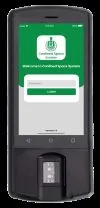
Reducing Errors in Manual Records
Manual attendance records depend on people entering information correctly and consistently. In a busy workplace, mistakes can happen.
A worker might enter without being recorded immediately. Someone may forget to update the register after leaving. A handwritten name may be difficult to read.
Conclusion
Confined space work requires careful preparation, continuous awareness, and strong worker accountability. Knowing who has entered a confined space and whether they have safely exited is an important part of managing the operation.
A confined space attendance system can help organizations improve this process by providing organized entry and exit records, better visibility of workers, improved shift management, and useful information during emergencies.