The Rise of Conversational Machines
Human-computer interaction is moving beyond keyboards, touchscreens, and traditional interfaces. Advances in speech recognition, artificial intelligence, and natural language processing are allowing machines to respond to spoken commands and provide information in more intuitive ways.
Voice-enabled technology is particularly valuable when users need to interact with a device while keeping their hands and attention focused elsewhere.
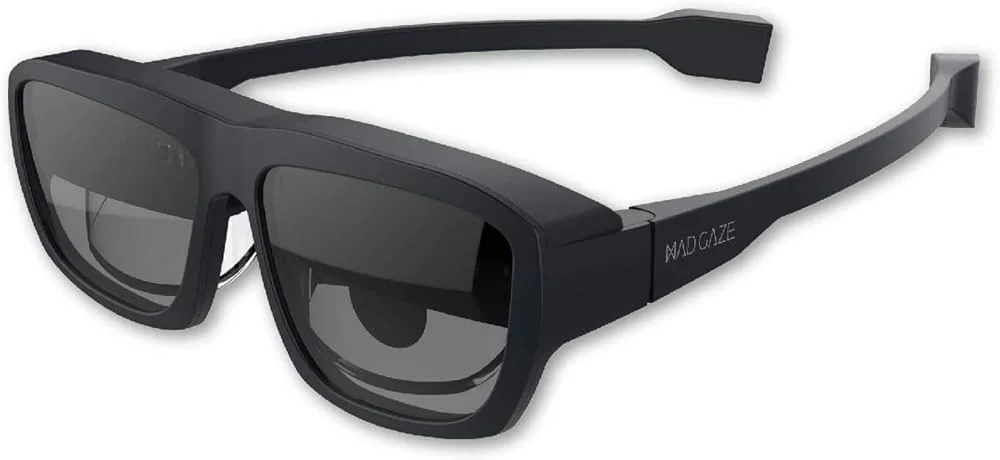
How Voice Interaction Works
Modern voice-based systems can combine several technologies to understand and respond to users. Important components include:
Speech recognition for converting spoken language into digital input
Natural language processing for understanding meaning and intent
Voice synthesis for generating spoken responses
Context awareness for improving the relevance of responses
AI-based learning for adapting to different interaction patterns
These capabilities are increasingly being incorporated into robots, wearable devices, smart assistants, and other connected systems.
Practical Applications
Voice interaction can support numerous environments. In workplaces, users may issue commands without touching equipment. In education, conversational systems can provide interactive assistance. Robotics researchers are also exploring voice interfaces as a way for people to communicate with machines more naturally.
The Humanoid Group covers developments in humanoid robotics, smart technologies, and emerging human-machine interfaces, offering useful educational context for readers interested in the field.
Challenges in Voice-Based Technology
Despite rapid progress, voice interfaces still face technical challenges. Background noise, accents, multiple languages, ambiguous instructions, and privacy concerns can affect performance. Reliable systems need to distinguish meaningful commands from irrelevant sounds while protecting sensitive information.
Users and organizations can learn more about voice-enabled technologies to better understand both their capabilities and limitations before adopting them.
The Future of Natural Communication
The development of Smart Speakable technology reflects a broader movement toward more natural communication between humans and machines. Future systems may combine voice with vision, gestures, and environmental awareness to create richer interactions. As artificial intelligence becomes more capable, voice-enabled robots and devices could become easier to operate, more responsive to context, and increasingly useful across homes, workplaces, research environments, and public spaces.