Robotics Is Becoming More Adaptive
Robotics is moving beyond traditional machines designed for repetitive industrial tasks. Modern systems increasingly combine artificial intelligence, sensors, computer vision, software, and advanced mechanical components to understand their surroundings and respond more effectively. This shift is creating opportunities for robots to support people in workplaces, homes, healthcare environments, education, and public spaces.
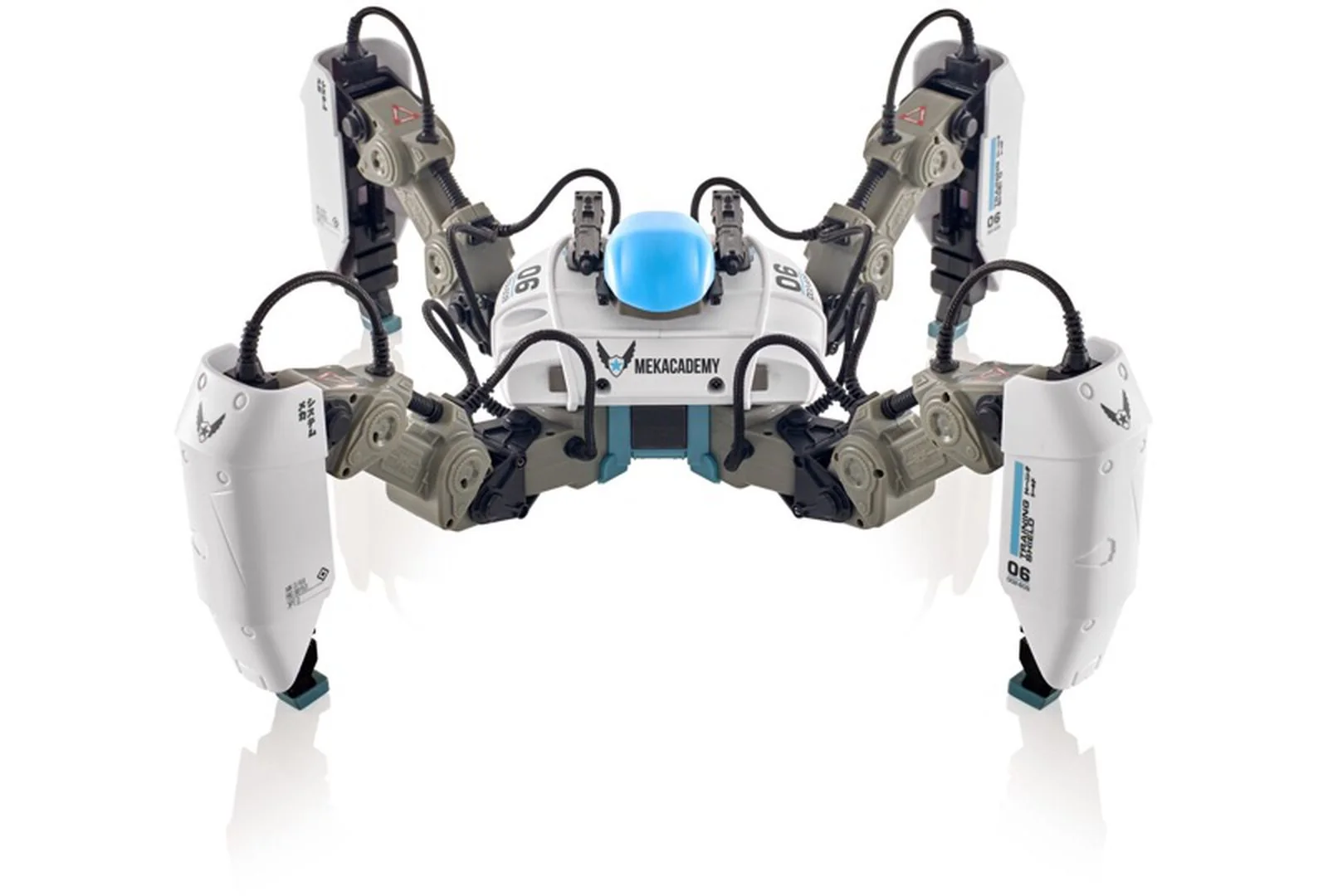
Key Areas of Development
Several areas are contributing to the expansion of intelligent robotics:
Artificial intelligence helps machines interpret information and make decisions based on changing conditions.
Computer vision allows robotic systems to identify objects, movement, and environmental details.
Wearable robotics can assist with physical tasks, rehabilitation, mobility, and workplace support.
Service robots are being developed for household activities such as cleaning, cooking, and gardening.
Educational robotics introduces students to programming, engineering, automation, and problem-solving.
Smart interfaces including intelligent glasses, voice systems, and robotic hands can improve interaction between humans and machines.
Where Robotics Can Make a Difference
The practical value of robotics depends on how effectively technology addresses real-world needs. In manufacturing, robots can improve consistency and handle repetitive operations. In healthcare and rehabilitation, assistive technologies may support movement and physical recovery. At home, service robots can automate routine activities, while educational systems can make technical learning more interactive.
Building Responsible Innovation
As intelligent machines become more capable, developers and users must also consider safety, privacy, reliability, accessibility, and responsible deployment. A successful robotic system should not only perform its intended function but also operate predictably around people.
Exploring the Broader Robotics Landscape
For readers who want to Explore more about emerging technologies, examining different categories of robotics provides useful context about their capabilities and limitations. The Humanoid Group represents one point within this broader conversation surrounding intelligent machines, human-machine interaction, automation, and assistive technology. Understanding these developments can help readers follow how robotics may continue influencing everyday environments and professional industries.