Construction projects require careful planning, accurate design, and a strong understanding of structural safety. Whether you are building a new home, renovating an existing property, adding another level, or developing a commercial building, structural integrity should always be a priority. A qualified structural professional can assess the project, develop appropriate structural solutions, and help ensure the building can safely withstand expected loads and environmental conditions.
Hiring the right professional early in the construction process can also help prevent expensive mistakes, construction delays, and unnecessary alterations. Here are the top reasons to consider professional structural engineering services for your next project.
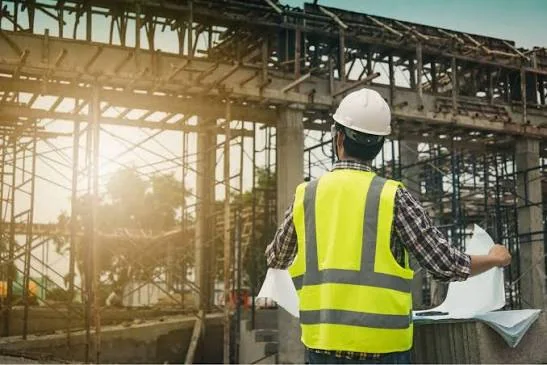
1. Ensuring Structural Safety
The primary responsibility of structural engineering is to ensure that a building is stable, strong, and capable of safely supporting its intended loads. A structural engineer examines factors such as building materials, foundations, beams, columns, walls, roof structures, and load-bearing elements.
Professional structural assessment can identify potential weaknesses before construction begins. This is particularly important for renovations, extensions, and older properties where existing structural components may not have been designed to support additional loads.
2. Accurate Structural Design
Every construction project has different requirements. A new residential property may need a completely different structural solution from a commercial development or home extension.
Structural engineers use technical knowledge and engineering calculations to develop suitable structural designs. They consider the proposed building layout, materials, site conditions, expected loads, and relevant construction requirements. Accurate structural design helps builders understand how different components should be constructed and connected.
Good structural planning can also improve the overall efficiency of the construction process by reducing uncertainty during the building stage.
3. Support for Home Renovations and Extensions
Renovation and extension projects can involve significant structural changes. Removing a wall, creating larger openings, extending a building, adding a new floor, or modifying a roof can affect the stability of the existing structure.
A structural engineer can determine whether existing structural elements can accommodate the proposed changes. They may recommend suitable beams, posts, footings, or other structural components where required.
Getting professional advice before removing or modifying structural elements can help homeowners avoid serious safety issues and costly corrective work later.
4. Foundation and Site Assessment
The foundation is one of the most important parts of any building because it transfers structural loads safely into the ground. Poor foundation design can contribute to settlement, cracking, movement, and other structural problems.
A structural engineer considers available site information and project requirements when developing foundation solutions. Soil conditions, building loads, site characteristics, and the proposed structure can all influence foundation design.
For projects involving challenging sites or significant structural loads, professional engineering input can be especially valuable.
5. Compliance with Australian Standards
Construction projects in Sydney need to meet applicable building requirements and engineering standards. Structural engineers understand the technical requirements that influence structural design and construction.
They can prepare engineering documentation and designs that support compliance with relevant Australian Standards and building requirements. This documentation may also be required as part of the approval and construction process, depending on the project.
Working with a qualified professional helps ensure that structural decisions are based on recognised engineering principles rather than assumptions.
6. Reducing Construction Costs
Hiring a structural engineer may seem like an additional project expense, but professional planning can potentially save money over the course of construction.
Accurate calculations and drawings can help minimise material wastage, prevent design errors, and reduce the likelihood of expensive structural modifications during construction. Identifying problems at the design stage is generally easier and less costly than correcting them after construction has started.
A well-designed structural system can also help contractors work more efficiently and understand the requirements before materials are ordered or construction begins.
7. Identifying Existing Structural Problems
For existing buildings, a structural inspection can reveal problems that may not be obvious to property owners. Cracks, uneven floors, roof movement, deteriorating structural elements, or unusual building movement can sometimes indicate underlying structural issues.
A structural engineer can inspect relevant components and provide professional advice about the possible causes and appropriate solutions. This can be particularly useful when purchasing an older property, planning a major renovation, or investigating unexplained building movement.
Early identification of structural problems gives property owners an opportunity to address issues before they become more complicated.
8. Professional Engineering Documentation
Construction projects often require detailed engineering drawings, calculations, specifications, and other documentation. These documents provide important information for builders and other professionals involved in the project.
Clear structural documentation can show the size and position of structural members, connection requirements, reinforcement details, and other technical information relevant to construction.
Having accurate documents available can improve communication between designers, engineers, builders, and property owners, helping everyone understand the intended structural solution.
9. Better Collaboration with Builders and Designers
Construction is a collaborative process involving architects, building designers, engineers, builders, contractors, and property owners. Structural engineering provides an important connection between architectural concepts and practical construction requirements.
A structural engineer can work with architects and designers to find solutions that maintain the desired appearance while meeting structural requirements. They can also communicate technical requirements to builders and respond to structural questions that arise during construction.
This collaborative approach can help create a smoother project from design through to completion.
10. Peace of Mind for Property Owners
One of the biggest advantages of hiring a qualified structural professional is confidence. Property owners can have greater peace of mind knowing that important structural decisions have been reviewed by someone with appropriate engineering knowledge.
From foundation design and structural framing to renovation assessments and construction documentation, professional engineering advice can help reduce uncertainty throughout the project.
Choosing an experienced engineer is particularly important for complex developments, major renovations, multi-storey buildings, and projects involving significant structural alterations.
Choose Professional Structural Engineering Support for Your Project
A successful construction project depends on more than an attractive design. Structural safety, accurate calculations, appropriate materials, foundation performance, compliance, and practical construction requirements all need to be considered. Professional structural engineering can help identify risks, develop effective solutions, and provide the documentation required for many construction projects.
If you are planning a new build, renovation, extension, commercial development, or structural alteration, working with an experienced Structural Engineer Sydney can provide valuable technical guidance from the early design stage through to construction. Professional input can help you make informed decisions, avoid preventable structural problems, and create a safer and more reliable building for the future.