Workplaces are changing as intelligent machines take on tasks that require consistency, physical effort, and precise coordination. From manufacturing facilities and warehouses to hospitals and commercial buildings, robotic systems are helping organisations rethink how daily operations are managed. These technologies are not simply designed to replace manual processes; they can also support employees, reduce repetitive workloads, and improve the reliability of complex tasks.
The Technology Behind Workplace Robotics
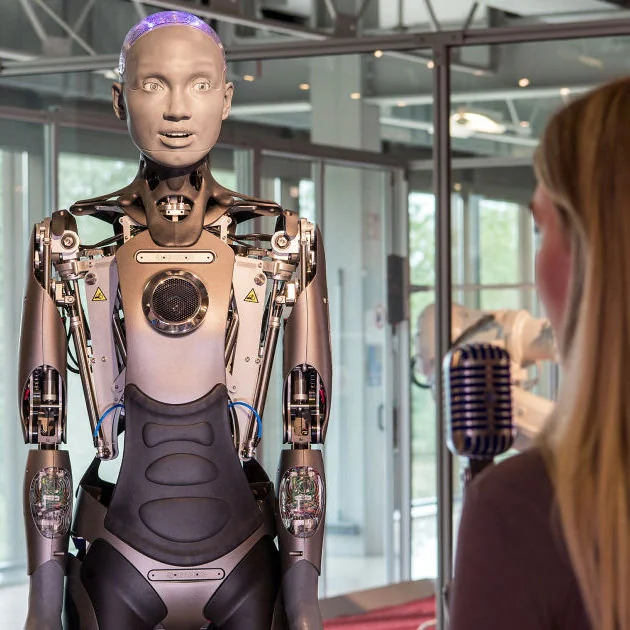
Modern workplace robots combine mechanical engineering with sensors, control software, and, increasingly, artificial intelligence. Depending on their purpose, they may move materials, manipulate objects, navigate indoor spaces, or collaborate with people on structured activities.
Sensors help robots detect obstacles, measure distances, and respond to changes in their surroundings. Cameras and computer vision systems can identify objects, while machine learning may help certain robots recognise patterns and improve specific tasks. Connected software allows organisations to monitor equipment, coordinate workflows, and identify maintenance requirements.
Some robots operate within carefully controlled environments, while more advanced systems are designed to navigate spaces shared with people. Their capabilities depend on the equipment, software, and safety measures used.
Where Robots Support Everyday Operations
Robotic technology serves a wide range of workplace needs. Its practical value depends on matching the machine to a clearly defined task.
Manufacturing: Robots can assist with assembly, welding, material handling, inspection, and repetitive production activities.
Warehousing and logistics: Autonomous mobile robots can transport goods, support order fulfilment, and move materials between work areas.
Healthcare: Robotic systems can help transport supplies, manage selected logistical tasks, and support specialised medical procedures.
Commercial facilities: Cleaning robots can maintain floors, while service robots may assist with deliveries and routine information requests.
Construction and maintenance: Certain robotic platforms can inspect difficult-to-reach areas or perform tasks in hazardous environments.
These applications can improve consistency and help employees spend more time on work requiring judgement, communication, and problem-solving.
Benefits of Integrating Robots Into Workflows
When introduced thoughtfully, robotics can reduce repetitive physical demands, support predictable task execution, and help organisations maintain operations across extended working periods. Robots may also collect operational data that helps managers identify bottlenecks and plan maintenance before equipment failures disrupt production.
However, successful implementation requires more than purchasing advanced hardware. Organisations need to assess workflow compatibility, training requirements, maintenance costs, and employee readiness. Clear procedures also help workers understand how to supervise robotic systems and respond when unexpected situations occur.
Safety and the Human Factor
Robots operating near people must be designed and deployed with appropriate safeguards. Risk assessments, protective sensors, emergency stops, designated operating zones, and regular inspections are important elements of responsible integration. Employees should receive practical training and understand when human supervision is necessary.
The Next Phase of Intelligent Workplaces
As sensing technology, mobility, and artificial intelligence continue to develop, Workplace Robots are becoming more adaptable to different professional environments. Future systems may collaborate more effectively with employees, respond to changing workflows, and support tasks that were previously difficult to automate.
The Humanoid Group explores developments in robotics and intelligent machines, helping readers understand how automation is influencing modern industries and working practices.
For further information, explore more about robotic systems and their evolving applications across professional environments.