Robotics is steadily changing how modern workplaces handle repetitive, precise, and physically demanding activities. Advances in sensors, artificial intelligence, computer vision, and machine learning are allowing robots to operate in environments that once required constant human control. These systems can support workers across manufacturing, logistics, healthcare, hospitality, and other professional settings.
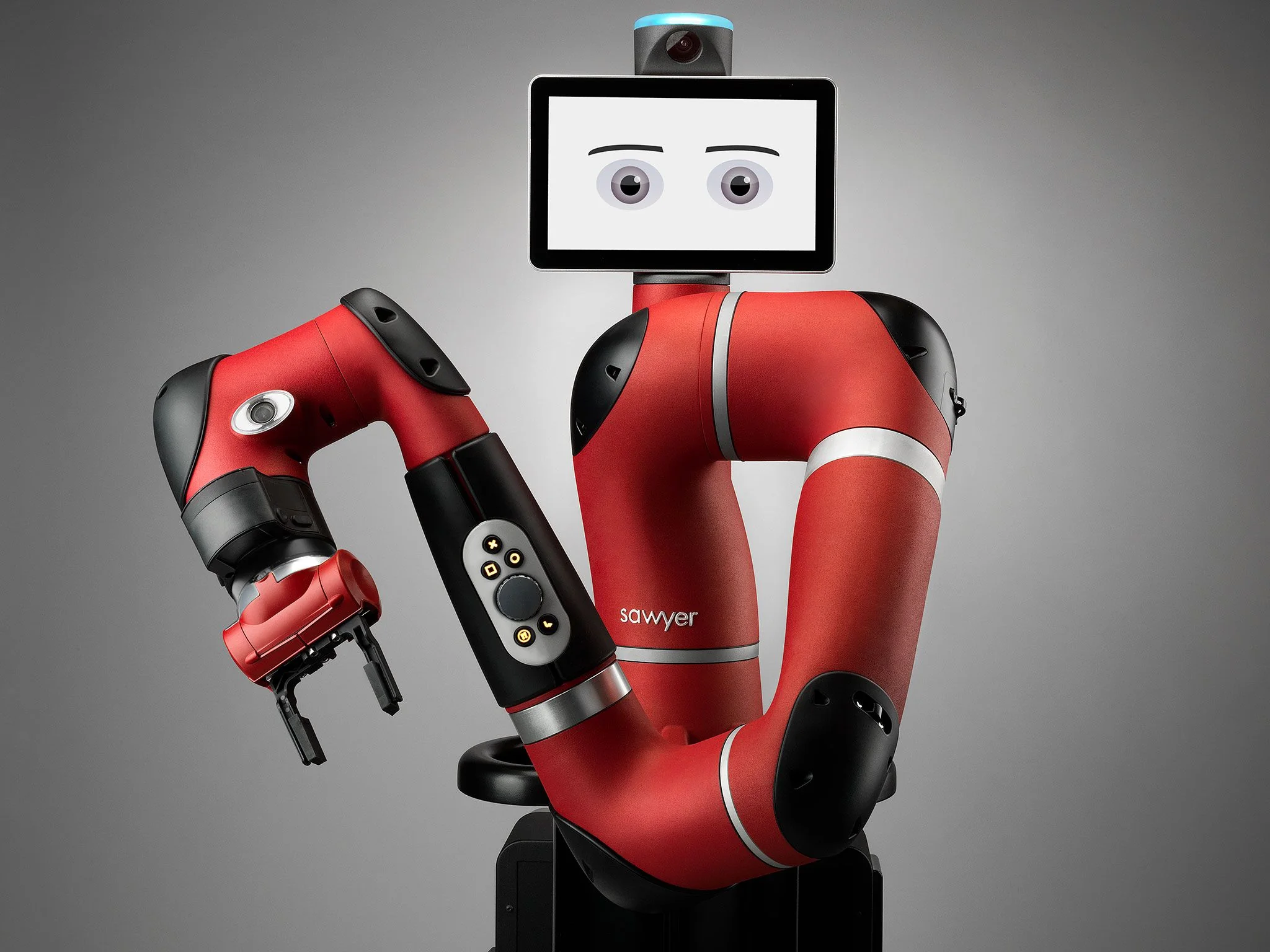
Where Workplace Robotics Is Making an Impact
Different types of robots are designed for specific workplace requirements. Industrial machines may focus on assembly or material handling, while mobile robots can transport items across large facilities. Service-oriented systems can assist with cleaning, delivery, reception, or other routine activities.
Common applications include:
Moving materials and equipment
Sorting packages and inventory
Supporting assembly operations
Inspecting products for defects
Transporting items across facilities
Performing repetitive cleaning tasks
Technology Behind Modern Robotic Systems
Today's workplace machines rely on several technologies working together. Cameras and sensors allow robots to identify objects, monitor surroundings, and detect obstacles. Software processes this information and determines appropriate movements or actions.
Artificial intelligence can also help robots respond to changing conditions. Instead of following only fixed sequences, some systems can use environmental information to adjust their behavior. Navigation technology enables mobile robots to move through designated areas while responding to people, equipment, and other obstacles.
Key Factors for Successful Automation
Introducing robotics into a professional environment involves more than purchasing equipment. Organizations need to consider how the technology will fit existing processes and how employees will interact with automated systems.
Important factors include:
Workplace safety procedures
System reliability
Maintenance and servicing
Employee training
Integration with existing technology
Data security
Operating costs
Collaboration Between People and Machines
Modern automation increasingly emphasizes collaboration rather than complete separation. Robots can handle repetitive or physically demanding activities while employees focus on decision-making, communication, creativity, and specialized responsibilities. This approach can also create opportunities for workers to develop new technical skills related to operating and maintaining robotic systems.
The Humanoid Group explores developments in robotics, automation, and emerging technologies that influence the relationship between people and intelligent machines.
For readers exploring Workplace Robots, understanding their sensors, software, mobility, safety systems, and practical applications provides useful insight into modern workplace automation. Explore more about how robotic technologies are evolving and how human-machine collaboration is becoming part of diverse professional environments.