Working in a confined space can be very different from working in an open and well-ventilated area. Tanks, vessels, silos, pits, manholes, tunnels, pipelines, and similar locations can present hazards that are not immediately visible. Limited access, poor ventilation, hazardous gases, restricted movement, and difficulties during an emergency can turn a routine task into a serious safety concern.
This is why confined space management is an important part of workplace safety, particularly in industries such as oil and gas, manufacturing, construction, utilities, chemical processing, and wastewater treatment. A well-organized management system helps employers identify hazards before work begins, control risks, monitor workers during entry, and prepare for emergencies.
Understanding Confined Space Management
Confined space management refers to the procedures and controls used to manage work carried out in confined spaces. The objective is to make sure that workers understand the hazards associated with a particular space and that suitable precautions are in place before anyone enters.
Every confined space is different. A storage tank may contain hazardous vapors, while a sewer chamber may have poor oxygen levels or toxic gases. A narrow underground space may also create difficulties for rescuers if a worker becomes injured or unconscious.
Identifying Confined Spaces
The first step is knowing where confined spaces are located within a workplace. Some spaces are obvious, such as tanks and underground chambers. Others may be less obvious and can easily be overlooked during routine workplace inspections.
A proper identification process should consider the physical characteristics of the space, how workers enter and leave it, its ventilation, and the activities that may be performed inside.
Conducting a Risk Assessment
Risk assessment is one of the most important parts of confined space management. Before workers enter, potential hazards should be identified and evaluated.
Atmospheric hazards are a major concern. Oxygen deficiency or enrichment, flammable gases, vapors, and toxic substances can create dangerous conditions. Physical hazards can also include moving machinery, electrical equipment, heat, flooding, engulfment, falling objects, and restricted movement.
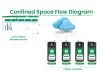
Entry Permits and Authorization
For spaces classified as requiring controlled entry, a formal entry permit or authorization process can help ensure that important safety checks are completed before work starts.
An entry permit may record details such as the location, purpose of the work, authorized workers, hazards identified, atmospheric test results, required equipment, communication methods, and emergency arrangements.
Atmospheric Testing and Monitoring
The atmosphere inside a confined space can change without obvious warning. A space may contain gases or vapors that cannot be seen or smelled, and some hazardous conditions can develop while workers are already inside.
Atmospheric testing should therefore be carried out using suitable equipment and procedures before entry and, where required, during the work.
Testing may involve checking oxygen levels as well as the presence of flammable or toxic gases. The exact testing requirements depend on the space, the hazards identified, and the work being performed.
Conclusion
Confined space management plays an important role in protecting workers who perform tasks in restricted and potentially hazardous environments. Effective management involves much more than identifying a confined space. It requires careful planning, risk assessment, atmospheric testing, entry authorization, worker training, communication, monitoring, suitable protective equipment, and emergency preparedness.
Every confined space should be treated according to its specific hazards and working conditions. Organizations that take the time to plan properly can improve worker awareness, strengthen accountability, and respond more effectively when conditions change.