Maintaining clean and healthy air is essential in every workplace, particularly in industrial environments where employees may be exposed to smoke, dust, fumes, vapours, gases, and airborne particles. Poor indoor air quality can affect employee comfort, productivity, and long-term health while also creating safety risks. Businesses that use welding equipment, chemicals, paints, solvents, machinery, or other processes that release airborne contaminants need an effective approach to controlling these pollutants.
A well-designed extraction solution helps remove contaminants at their source before they spread throughout the workplace. By improving ventilation and reducing airborne pollutants, businesses can create a cleaner, safer, and more comfortable working environment.
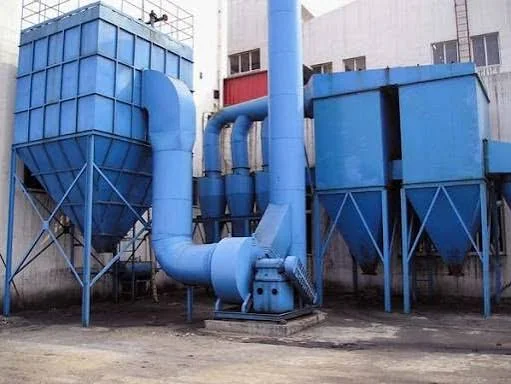
Understanding Workplace Air Quality
Workplace air quality can be influenced by numerous factors, including manufacturing processes, combustion, chemical use, welding, grinding, cutting, and other industrial activities. When these processes release contaminants into the air, inadequate ventilation can allow pollutants to accumulate.
Employees working in contaminated environments may experience irritation, unpleasant odours, breathing discomfort, headaches, or reduced concentration. Long-term exposure to certain workplace contaminants can also present more serious occupational health concerns.
Good air quality management therefore requires more than simply opening doors or windows. Businesses need solutions designed around the specific contaminants, processes, workspace size, and operational requirements of the facility.
Removing Contaminants at the Source
One of the most effective ways to control airborne pollution is source extraction. Instead of allowing fumes or particles to travel across the workplace, extraction equipment captures contaminants close to where they are generated.
For example, welding activities can produce smoke and fine airborne particles. Similarly, manufacturing processes involving chemicals can release vapours or gases. Capturing these contaminants near the source helps prevent them from dispersing into the wider work environment.
Source extraction can therefore reduce the amount of contaminated air that employees breathe and help maintain cleaner conditions around workstations.
Supporting Employee Health and Comfort
Employees spend a significant portion of their day inside the workplace, making air quality an important part of occupational wellbeing. Excessive dust, smoke, fumes, and chemical vapours can make working conditions uncomfortable and may contribute to respiratory irritation.
An effective extraction system helps control these contaminants before they become widely distributed. Cleaner air can contribute to a more comfortable working environment and demonstrate that a business takes employee wellbeing seriously.
Better workplace conditions can also support employee satisfaction and productivity. When workers are not constantly exposed to unpleasant smells, visible smoke, or excessive airborne dust, they can focus more effectively on their tasks.
Improving Workplace Safety
Airborne contaminants are not only a health concern; some can also create workplace safety hazards. Certain fumes and vapours may be flammable, corrosive, or hazardous when present at elevated concentrations. Accumulated dust can also create additional risks in specific industrial environments.
Effective extraction helps control the concentration and movement of airborne contaminants. This can contribute to a safer working environment by reducing the buildup of unwanted substances.
Businesses should select extraction equipment based on the nature of their processes and contaminants. Professional assessment is important because different workplaces require different airflow capacities, filtration methods, ductwork configurations, and extraction points.
Protecting Equipment and Workspaces
Airborne dust and chemical contaminants can affect more than employee health. They may also settle on machinery, electrical components, tools, surfaces, and finished products.
Excessive accumulation can increase cleaning requirements and potentially contribute to equipment maintenance problems. In manufacturing environments, airborne contamination can also affect product quality.
By controlling contaminants closer to their source, extraction solutions can help reduce the amount of unwanted material circulating around the facility. This supports a cleaner workspace and can help businesses maintain better housekeeping standards.
Improving Productivity and Operational Efficiency
A clean workplace can support smoother daily operations. Excessive airborne contamination may require frequent cleaning, interrupt production areas, or make certain workspaces uncomfortable for employees.
An appropriately designed extraction solution helps manage pollutants continuously during relevant processes. This can reduce the need for employees to rely entirely on manual cleaning and general ventilation.
In addition, a cleaner production environment can make it easier to maintain organised work areas and protect sensitive equipment. When air quality is properly managed, businesses can focus on their core operations while maintaining healthier workplace conditions.
Choosing the Right Extraction Solution
Every workplace has different requirements. The right extraction approach depends on factors such as the type of contaminants produced, their concentration, the location of emission sources, operating hours, room dimensions, and the number of workstations.
Extraction hoods, flexible extraction arms, ducting, filtration units, fans, and other components can be combined according to the needs of a facility. Proper airflow design is particularly important because an incorrectly sized system may fail to capture contaminants effectively.
Businesses should therefore consider professional design, installation, inspection, and maintenance when implementing workplace air-quality solutions. Regular maintenance also helps ensure filters, fans, ductwork, and extraction points continue operating effectively.
The Importance of Regular Maintenance
Even a high-quality extraction system requires regular inspection and maintenance. Filters can become loaded with contaminants, ductwork may require cleaning, and mechanical components can experience wear over time.
Scheduled maintenance helps identify potential issues before they significantly affect performance. Businesses should follow appropriate maintenance procedures and manufacturer recommendations while keeping records of inspections and servicing.
Regular monitoring can also help determine whether the system continues to provide adequate airflow as workplace processes change.
Creating a Safer and Cleaner Workplace
Improving workplace air quality should be viewed as an ongoing part of occupational health, safety, and facility management. Businesses that proactively control airborne contaminants can provide employees with a cleaner and more comfortable environment while supporting safer operations.
From manufacturing facilities and workshops to laboratories and specialised industrial environments, effective extraction can play an important role in controlling harmful airborne substances. It can also contribute to cleaner equipment, improved housekeeping, and more efficient workplace operations.
Ultimately, investing in a properly designed Fume Extraction System is an important step toward managing airborne contaminants at their source, improving workplace air quality, and supporting a safer environment for employees. With professional design, correct installation, and regular maintenance, businesses can establish an effective long-term approach to workplace air-quality management.