Humanoid robots are moving beyond research laboratories and into practical discussions about how machines can support people in homes, workplaces, education, healthcare, and public environments. Their human-like structure allows them to interact with spaces designed around people, making robotics more adaptable to everyday settings.
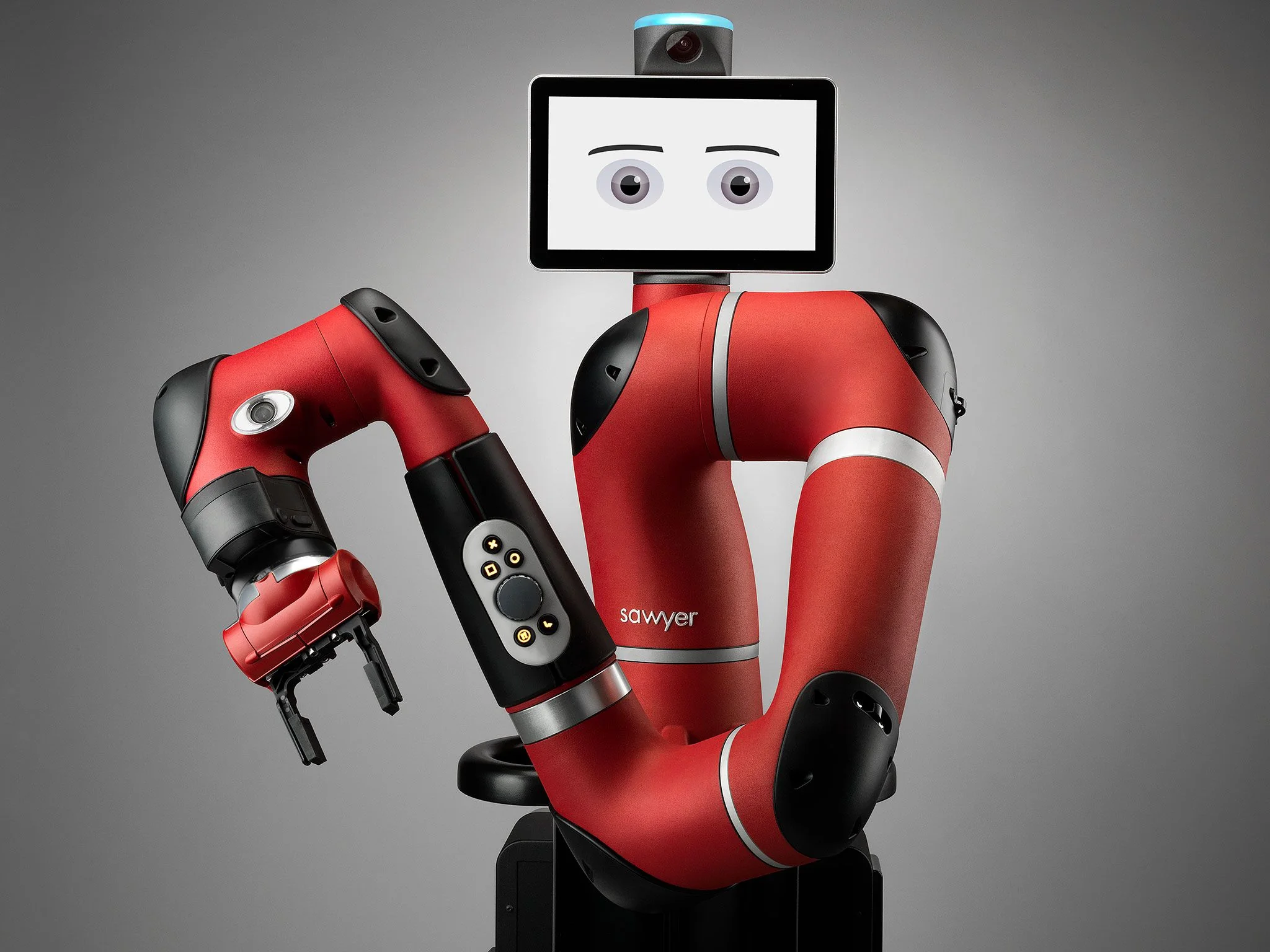
Understanding Humanoid Robotics
Humanoid robots are machines designed with physical characteristics that resemble the human form. Depending on their purpose, they may include arms, hands, legs, cameras, sensors, microphones, and artificial intelligence systems. This combination enables robots to understand surroundings, respond to instructions, and perform selected physical or digital tasks.
Key Areas of Development
Modern humanoid robotics covers several important areas:
Mobility and balance for navigating different environments
Computer vision for recognizing objects, people, and surroundings
Artificial intelligence for decision-making and interaction
Robotic hands for handling objects with greater precision
Speech and language systems for more natural communication
Safety technologies designed to support human-robot collaboration
Practical Uses Across Different Industries
The potential applications of humanoid technology extend across many sectors. In manufacturing, robots can assist with repetitive physical activities. In logistics, they may eventually help move items through facilities designed for human workers. Educational environments can also use interactive robots for demonstrations, tutoring support, and technology research.
Healthcare is another area attracting attention. Assistive robots may support certain routine activities, rehabilitation programs, or interactions with patients, although their capabilities and limitations vary significantly between systems.
The Growing Home Robotics Landscape
Domestic robotics is developing alongside industrial applications. Robots designed for cleaning, cooking assistance, household support, security, and other everyday activities are becoming important areas of research. The goal is not simply to create machines that look human, but to develop useful systems that can operate safely and reliably around people.
What to Consider Before Adopting New Technology
Anyone researching humanoid robotics should look beyond appearance and consider practical capabilities. Important factors include:
Task accuracy and reliability
Battery life and operating time
Environmental awareness
Privacy and data handling
Human safety features
Maintenance requirements
Integration with existing technology
For readers exploring current developments, The Humanoid Group provides a useful starting point for discovering different categories and applications within the broader robotics landscape. Readers can also learn more about emerging robotic technologies and how specialized systems are being developed for different real-world environments.
As the field continues to evolve, humanoid robotics is likely to remain an important area of technological research. Understanding its applications, limitations, and development trends can help readers make sense of where intelligent machines may fit into everyday life.