Inside the Technology Powering Modern Virtual Experiences
Immersive digital technology is changing the way people interact with computer-generated environments. Virtual reality creates simulated spaces that respond to movement, allowing users to look around, explore surroundings, and interact with digital elements as though they were physically present. Improvements in display quality, motion tracking, computing power, and spatial audio have made immersive experiences increasingly practical across entertainment, education, training, and professional applications.
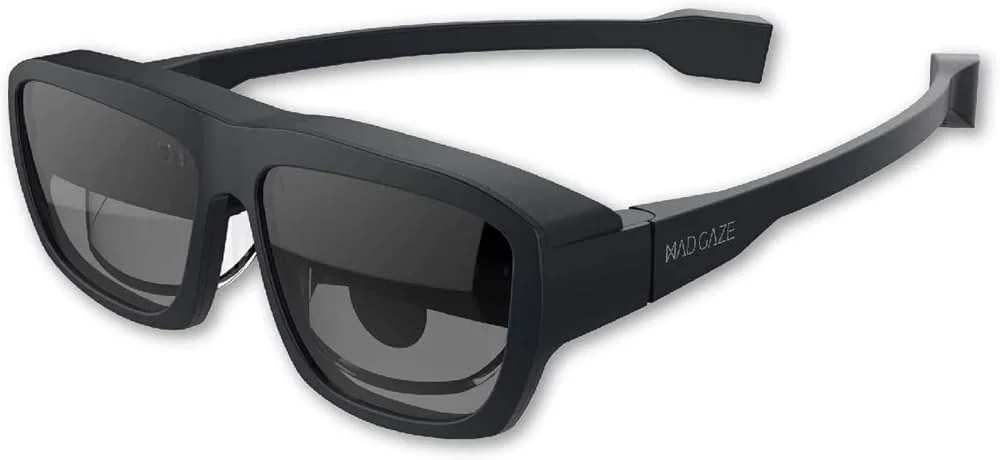
How Virtual Reality Creates Immersion
A virtual reality system relies on several technologies working together. Displays positioned close to the eyes create separate visual perspectives, while sensors monitor head movement and update the digital scene accordingly. Audio systems add directional sound, helping users understand where virtual events are occurring.
Important components include:
Head-mounted displays for presenting three-dimensional visuals
Motion sensors for tracking movement
Controllers for interacting with virtual objects
Spatial audio for realistic sound positioning
Graphics processors for rendering responsive environments
The coordination of these components determines how natural and convincing the experience feels.
Expanding Uses Across Industries
Virtual reality is no longer limited to gaming. Training organizations can create controlled simulations for situations that may be expensive, risky, or difficult to reproduce in real life. Aviation, manufacturing, emergency response, and technical education can use virtual environments to provide practical learning opportunities without requiring physical equipment for every exercise.
In education, immersive simulations can make abstract subjects easier to visualize. Students may explore scientific models, historical locations, or complex mechanical systems through interactive environments. Designers and architects can also review digital spaces before construction, making it easier to identify potential issues during early planning.
What Makes a System Effective
A high-quality immersive experience depends on several factors beyond visual resolution. Low response times, accurate tracking, comfortable weight distribution, suitable field of view, and a reliable interface all contribute to usability. Poor calibration or excessive latency can reduce immersion and may cause discomfort during extended sessions.
Looking Ahead
Future developments are likely to focus on lighter hardware, improved battery performance, better environmental awareness, and more intelligent software. Advances in artificial intelligence could also allow virtual environments to respond more naturally to individual users and changing situations.
The Humanoid Group follows developments in emerging technologies that influence human-computer interaction. Readers can [learn more] about immersive computing and related innovations to better understand how digital environments are becoming increasingly interactive.
As these technologies continue to mature, VR Headsets are gaining relevance beyond entertainment and becoming useful platforms for simulation, visualization, training, and interactive learning. Their future development will depend on making immersive experiences more comfortable, responsive, accessible, and practical for a broader range of applications.