Working in a confined space can be very different from working in an open and well-ventilated area. Tanks, silos, storage vessels, pits, tunnels, pipelines, and other restricted areas can present serious risks to workers. Limited access, poor ventilation, hazardous atmospheres, and difficult rescue conditions can turn a routine task into an emergency within minutes.
For this reason, organizations need more than basic attendance records when workers enter confined spaces. They need a reliable way to know who has entered, who has exited, and who may still be inside. A confined space entry and exit system can help organizations maintain this information and improve worker accountability throughout confined-space operations.
What Is a Confined Space Entry and Exit System?
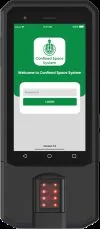
A confined space entry and exit system is a method or technology used to record and monitor workers entering and leaving a confined space. Depending on the workplace, it may involve electronic identification, access-control equipment, attendance software, digital records, monitoring devices, or a combination of these tools.
The basic purpose is straightforward: supervisors should be able to determine which workers are inside a confined space at any given time.
Traditional methods may rely on paper registers, manual headcounts, tags, or verbal communication. These approaches can work in simple situations, but they may become difficult to manage when several workers, contractors, or work teams are involved.
Why Entry and Exit Tracking Matters
Accountability is one of the most important parts of confined-space safety. Before work begins, supervisors need to know which workers are authorized to enter. During the job, they need to know who is inside. When the work is completed, they need confirmation that everyone has exited.
This becomes especially important when an unexpected situation occurs.
For example, suppose a worker inside a confined space becomes unresponsive and an emergency response is initiated. Rescue personnel need accurate information about how many people may be inside and who they are. If attendance information is incomplete or outdated, valuable time can be lost trying to determine whether someone remains inside.
Common Risks Associated With Confined Spaces
Confined spaces can contain a variety of hazards. The specific risks depend on the location, materials present, work being performed, and environmental conditions.
One major concern is the atmosphere inside the space. Oxygen deficiency, toxic gases, flammable gases, or other airborne hazards may create dangerous conditions. Atmospheric testing and appropriate controls are therefore important parts of confined-space work.
Physical hazards can also be present. Workers may face risks from moving equipment, engulfment, falls, heat, restricted movement, or unexpected changes in conditions.
Conclusion
A confined space entry and exit system can provide an important layer of accountability for organizations that conduct confined-space work. By recording who enters, who exits, and who may still be inside, the system can help supervisors maintain better visibility of ongoing operations.
Its benefits can extend beyond simple attendance tracking. Accurate records can support emergency accountability, improve communication, simplify reporting, and provide useful information for safety reviews.
At the same time, an entry and exit system should never be considered a replacement for proper confined-space safety practices. Hazard assessment, authorization or permit procedures where applicable, atmospheric testing, ventilation, isolation, communication, training, personal protective equipment, and emergency and rescue planning remain essential.