Introduction to Attendance Management
Effective attendance management is essential for organizations of all sizes. Traditional attendance methods such as paper registers, attendance sheets, and manual time cards have been used for many years. However, with the growth of digital technology, biometric attendance systems have become a popular alternative. By using unique biometric information such as fingerprints, these systems can make employee attendance tracking faster, more accurate, and more secure.
What Is Traditional Attendance?
Traditional attendance systems typically depend on manual processes or physical identification methods. Employees may sign a register, use attendance cards, or have their working hours recorded by administrative staff. While these methods can work for small organizations, they may become time-consuming and difficult to manage as the workforce grows. Manual records can also be affected by human errors, misplaced documents, or inaccurate time entries.
What Is Biometric Attendance?
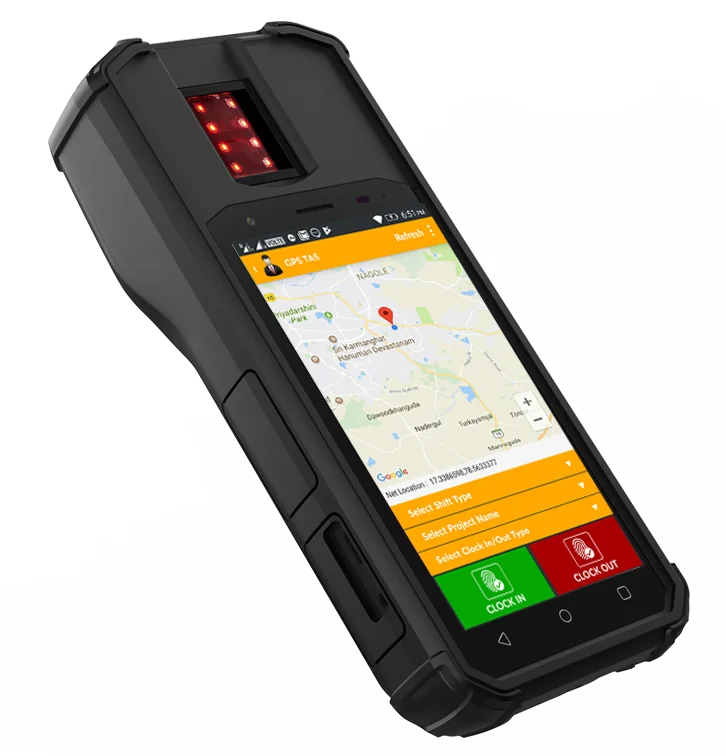
Biometric attendance systems use unique physical characteristics, such as fingerprints, to identify employees and record their attendance. When an employee scans their fingerprint, the system verifies their identity and records the relevant time automatically. The information can then be stored digitally, making it easier for HR teams and managers to access attendance records and generate reports.
Accuracy and Reliability
One of the major differences between biometric and traditional attendance is accuracy. Manual attendance systems depend heavily on employees and administrative staff entering information correctly. Biometric systems automate identification and time recording, which can significantly reduce data-entry mistakes. Accurate attendance records can also make it easier to manage working hours, overtime, leave, and payroll calculations.
Preventing Attendance Fraud
Traditional attendance methods may allow practices such as buddy punching, where one employee records attendance for another. Biometric attendance helps address this issue by requiring employees to verify their identity using their own biometric information. This creates a more reliable attendance process and encourages employees to follow workplace schedules.
Time and Administrative Efficiency
Managing paper-based or manual attendance records can require considerable administrative effort. HR staff may need to collect registers, calculate working hours, check absences, and prepare reports manually. Biometric attendance systems can automate many of these tasks, allowing organizations to save time and reduce repetitive administrative work.
Workplace Security
Biometric attendance can provide additional security compared with basic attendance registers or cards. Since biometric identification is linked to an individual employee, organizations can maintain more reliable records of who accessed or attended the workplace. Some biometric systems can also be integrated with access control solutions to support secure entry management.
Cost Considerations
Traditional attendance methods generally have lower initial costs because they may only require registers, cards, or basic equipment. However, they can create ongoing administrative expenses through manual recordkeeping and error correction. Biometric attendance systems require an initial investment in hardware and software, but they may provide long-term savings by reducing paperwork, administrative effort, and attendance-related errors.
Which Attendance System Is Better?
The right choice depends on the size and requirements of an organization. Traditional attendance may be suitable for very small businesses with simple workforce management needs. For organizations that require accurate records, automated reporting, better accountability, and efficient payroll management, biometric attendance can be a more practical solution. Businesses should consider factors such as workforce size, budget, security requirements, and integration needs before selecting a system.
For more info visit us : https://exigasoftware.com.sg/our-products/gps-biometric-handheld-time-attendance-system/
contact us :
Mail us