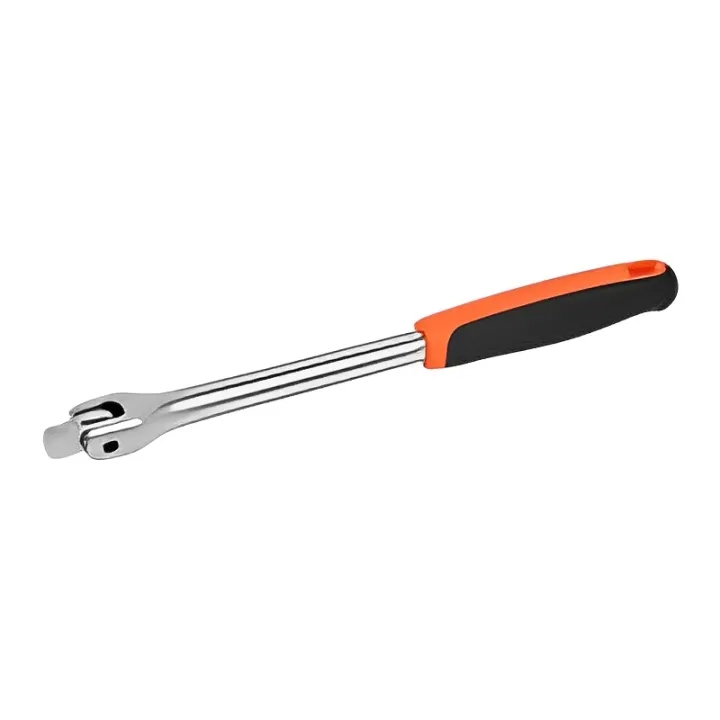
Understanding the Swivel Head Breaker Bar
A swivel head breaker bar is a highly reliable tool designed to apply extra torque for loosening tight or rusted fasteners. Unlike conventional wrenches or socket tools, this tool features a pivoting head that allows greater flexibility and angular reach in confined or awkward spaces. These tools are commonly used in garages, workshops, and even in electronics manufacturing setups, where precise leverage is needed.
The swivel head makes it extremely versatile, and its long handle enables users to exert significant force without damaging the fastener. As a result, professionals and DIY enthusiasts alike prefer it over static tools.
Why Choose a Swivel Head Breaker Bar Over Traditional Tools?
A key reason to opt for a swivel head breaker bar is its ability to reach bolts in tight or awkward locations. Additionally, it provides better control, reduces user fatigue, and increases efficiency. Whether you're working with cables, sensors, thermal pads, or contactors, having this tool in your kit can simplify even the most complex repair or assembly task.
Moreover, the design of a swivel head breaker bar reduces the chance of slippage, minimising damage to fasteners or the surrounding components, such as connectors, microcontrollers, or capacitors.
Key Features That Set It Apart
- The pivoting head rotates smoothly and locks into multiple positions for flexible use.
- Typically made with chrome vanadium steel for durability and corrosion resistance.
- Long handle for applying maximum torque with minimal effort.
- Ergonomic grip for comfort and safety during prolonged use.
- Compatible with various socket sizes to handle multiple applications.
- Resilient construction that can endure heavy-duty tasks such as removing corroded bolts.
Where Can You Use a Swivel Head Breaker Bar?
These bars aren't limited to automotive repair. Their adaptability extends to:
- Mechanical and electrical maintenance
- Assembly of industrial machinery
- Adjustments in HVAC systems
- Electronics repairs involving tightly fixed components
- Installation and removal of parts like switches, oils, thermal units, or fuses
- Handling components in safety-critical environments
Professionals who frequently work on microprocessors, laptops, or even power tools will find this tool invaluable. The ability to maneuver in constrained spaces while maintaining torque control is particularly advantageous in sectors like robotics, aerospace, and data center maintenance.
Tips for Using a Swivel Head Breaker Bar Effectively
Even though it’s built for durability and performance, using the breaker bar correctly ensures longevity and safe operation.
- Select the right size socket for your fastener to avoid slipping
- Keep the pivot head clean and lubricated with appropriate oils
- Always apply force slowly and steadily to prevent snapping the bolt
- Do not use it as a hammer or lever for tasks it's not designed for
- Store the tool in a dry area to avoid corrosion over time
In industries where electronics and safety are paramount, a tool malfunction or slip can be catastrophic. Hence, following safety protocols and proper maintenance routines is essential.
Integration With Other Tools and Accessories
One of the major advantages of a swivel head breaker bar is its compatibility with various toolkits and accessories. It works seamlessly with:
- Socket sets for different bolt sizes
- Extension bars for added reach
- Torque wrenches for accurate tightening post-removal
- Bit adapters to fit different connector types
- Grips or handle attachments for improved control
These accessories are especially beneficial when working with sensitive components, such as LEDs, controllers, thermal sensors, and other electronic elements.
Considerations When Buying a Swivel Head Breaker Bar
Before purchasing, you should take a few things into account to ensure you're getting the most value for your investment.
- Length – A longer bar offers greater torque but may be harder to store
- Material – Look for high-grade steel for strength and durability
- Socket Compatibility – Ensure it matches your existing tools and connector types
- Brand Reputation – Trustworthy brands often offer warranties and consistent quality
- Swivel Mechanism – Test the head to confirm it pivots smoothly and locks securely
For technicians working with microcontrollers, thermal systems, or capacitors, choosing a premium-quality breaker bar can save time and reduce equipment damage.
Maintenance and Longevity
Proper upkeep of your breaker bar ensures it remains functional for years. After every use, wipe down the bar to remove grime or metal shavings. For those who use it around oils or thermal pastes, cleaning becomes even more critical to prevent slippage or joint wear.
Lubricate the swivel joint occasionally using light machine oils. Avoid using the breaker bar with power tools or as a makeshift pry bar, as it can compromise the integrity of the tool.
Final Thoughts
A swivel head breaker bar is not just a handy addition—it's a necessity for anyone working with complex systems involving cables, electronics, connectors, or safety-critical assemblies. Its design caters to high-torque applications while offering flexibility, control, and safety. Whether you're dealing with stuck bolts in a vehicle or installing precision components in electronic systems, this tool bridges the gap between power and precision.