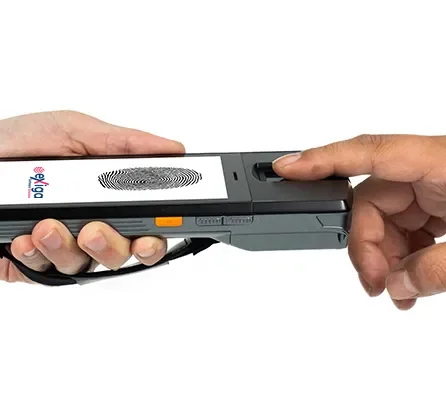
Managing employee attendance accurately is an important part of effective workforce administration. Traditional methods such as paper registers, attendance cards, and manual spreadsheets can require significant administrative effort and may result in data-entry errors. A biometric attendance system provides a technology-based approach by using unique biological characteristics to verify employees and record their attendance. This can help organizations create more organized attendance records while reducing repetitive manual tasks.
2. What Is a Biometric Attendance System?
A biometric attendance system is a digital solution that uses biometric characteristics to identify or verify employees when they check in or check out. Depending on the system, biometric identification may use fingerprints, facial recognition, iris patterns, or other supported methods. Once an employee is verified, the system can automatically record the relevant attendance information and store it within an attendance management platform.
3. How Biometric Attendance Systems Work
The process generally begins by registering employees in the attendance system. During registration, the required biometric information is securely captured and associated with the employee's profile. When an employee arrives at the workplace, they use the biometric device to verify their identity. The system then records the check-in time. A similar process can be used when employees leave, creating an electronic record of working hours and attendance activity.
4. Key Features of Biometric Attendance Management
Modern biometric attendance systems can include a range of features designed to simplify workforce administration. Common capabilities may include employee registration, automated check-in and check-out, attendance reports, shift management, leave tracking, real-time monitoring, and administrative dashboards. Some platforms can also integrate attendance information with payroll or broader workforce management software.
5. Benefits of Biometric Employee Attendance Tracking
One of the key benefits of biometric attendance tracking is automation. Employees can record attendance without using physical cards or manually entering information. Automated records can reduce repetitive administrative work and make attendance data easier to review. Businesses may also use reporting features to identify attendance patterns, monitor working hours, and manage workforce schedules more efficiently.
6. Improving Attendance Accuracy
Accurate attendance information is important for workforce planning and payroll administration. Biometric verification connects an attendance event with a registered employee's identity, helping organizations maintain structured records. However, system performance can depend on factors such as device quality, environmental conditions, biometric technology, and proper system configuration.
7. Integration with Payroll and HR Software
A biometric attendance system can become more useful when integrated with existing HR and payroll platforms. Attendance information can potentially be transferred into payroll processes, reducing the need for employees or administrators to enter the same information multiple times. Integration can also help create a more connected approach to employee records, leave management, shift scheduling, and workforce reporting.
8. Security and Privacy Considerations
Biometric information is sensitive data, so organizations should consider security and privacy when implementing a biometric attendance system. Businesses should understand how biometric information is collected, stored, processed, and protected. Access controls, appropriate data-security practices, and clear organizational policies can help reduce the risks associated with unauthorized access or inappropriate use of biometric information.
9. Choosing the Right Biometric Attendance System
Organizations should evaluate their operational requirements before selecting a biometric attendance solution. Important factors can include the type of biometric technology supported, employee capacity, reporting capabilities, integration options, device compatibility, scalability, security controls, and ease of use. Businesses should also consider whether the system can support multiple locations, different shifts, or mobile workforce requirements where applicable.
10. Biometric Attendance for Modern Workplaces
As organizations increasingly adopt digital workforce-management solutions, biometric attendance systems can provide an automated way to manage employee attendance. Businesses with large workforces or complex shift schedules may benefit from centralized attendance records and automated reporting. When implemented appropriately, biometric technology can form part of a broader strategy for improving workforce administration and operational efficiencY
FOR MORE INFO VISITUS: