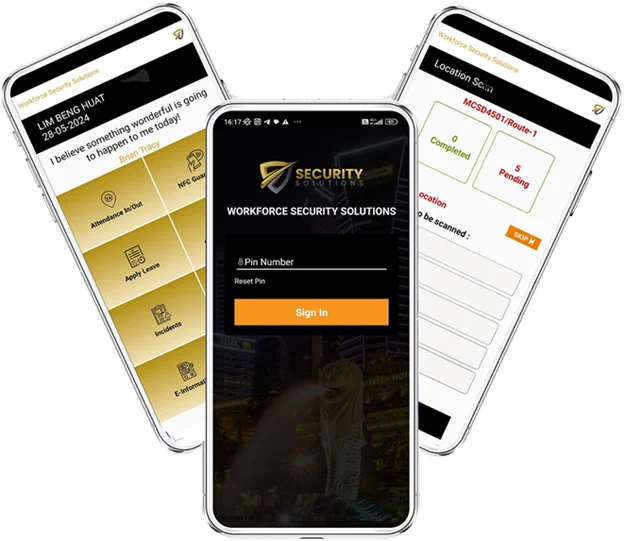
Facial recognition technology is becoming an increasingly useful solution for businesses looking to modernize employee attendance management. Instead of relying on manual registers, cards, or traditional punch-in systems, facial recognition can identify employees using their facial features and record attendance electronically. This approach can help organizations simplify daily attendance processes, reduce manual work, and maintain organized workforce records. When implemented with appropriate privacy and security measures, facial recognition can support a more efficient and convenient attendance management process.
2. What Is Facial Recognition Technology?
Facial recognition is a technology that analyzes an individual's facial characteristics to identify or verify their identity. In an employee attendance system, the technology can be integrated with cameras or compatible devices to recognize registered employees when they arrive or leave the workplace. The system can then record relevant attendance information, such as check-in and check-out times. This reduces the need for employees to use physical attendance cards or manually enter their information.
3. How Facial Recognition Attendance Systems Work
A facial recognition attendance system generally begins by registering authorized employees in the system. During attendance, a camera captures an employee's facial image and compares it with the stored biometric information. If the system successfully verifies the employee, the attendance record can be created automatically. Depending on the software, the recorded information may be available through an administrative dashboard where managers can review attendance records, working hours, late arrivals, and other workforce information.
4. Benefits of Facial Recognition for Employee Attendance
One of the main benefits of facial recognition attendance technology is automation. Employees can record attendance without carrying access cards or remembering passwords. Automated records can also reduce data-entry tasks for HR teams and help organizations maintain consistent attendance information. Businesses may use these systems to improve administrative efficiency, simplify attendance monitoring, and provide managers with easier access to workforce records.
5. Improving Attendance Accuracy
Manual attendance processes can involve issues such as incorrect entries, forgotten sign-ins, or damaged attendance cards. Facial recognition can provide a more automated method of recording employee attendance. By linking attendance records to verified employee identities, organizations can maintain more structured records. However, accuracy can depend on factors such as camera quality, lighting, system configuration, and the technology used by the provider.
6. Integration with Workforce Management Software
Modern facial recognition attendance solutions can often be connected with broader workforce management platforms. Attendance information may be integrated with employee profiles, shift schedules, leave management, payroll processes, and reporting tools. Having these functions within a connected system can reduce repetitive administrative work and make workforce information easier to manage from a central platform.
FOR MORE VISITUS :